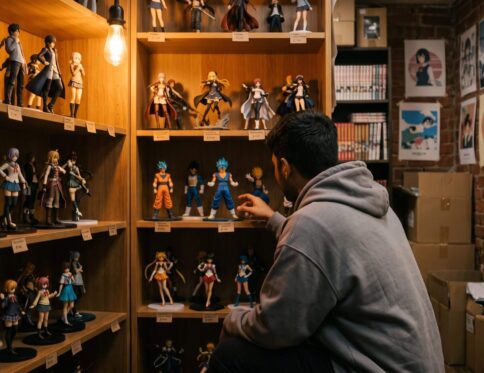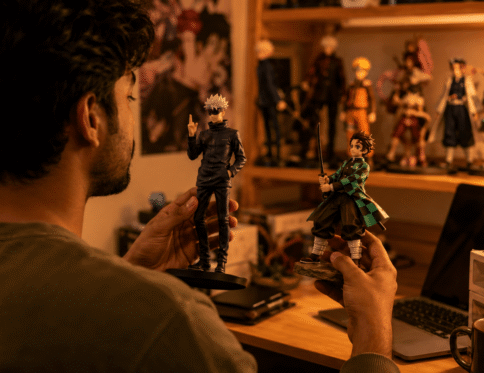
Nobody tells you this before you buy your first figure. You just see it on a shelf, it looks incredible, you order it – and then three months later you’re googling ‘why is my figure turning yellow’ or ‘why did the arm snap off.’ Here’s the honest breakdown of what anime figures are actually made of, what each material means for your shelf, and how to keep them looking good long-term.
What’s In This Post
- PVC – The One You See Everywhere
- ABS – The Quiet Backbone
- Resin – The Collector’s Choice
- Vinyl – The Old-School One
- Resin vs PVC – Which One Should You Go For?
- Caring for Your Figures by Material
- Common Questions
- TL;DR
PVC – The One You See Everywhere
PVC (polyvinyl chloride) is the most common material used in action figures you’ll find today. It’s a flexible plastic that holds paint well, allows for dynamic poses without snapping, and is light enough to ship without drama. That’s a big deal in India where figures travel a fair distance before reaching your doorstep.
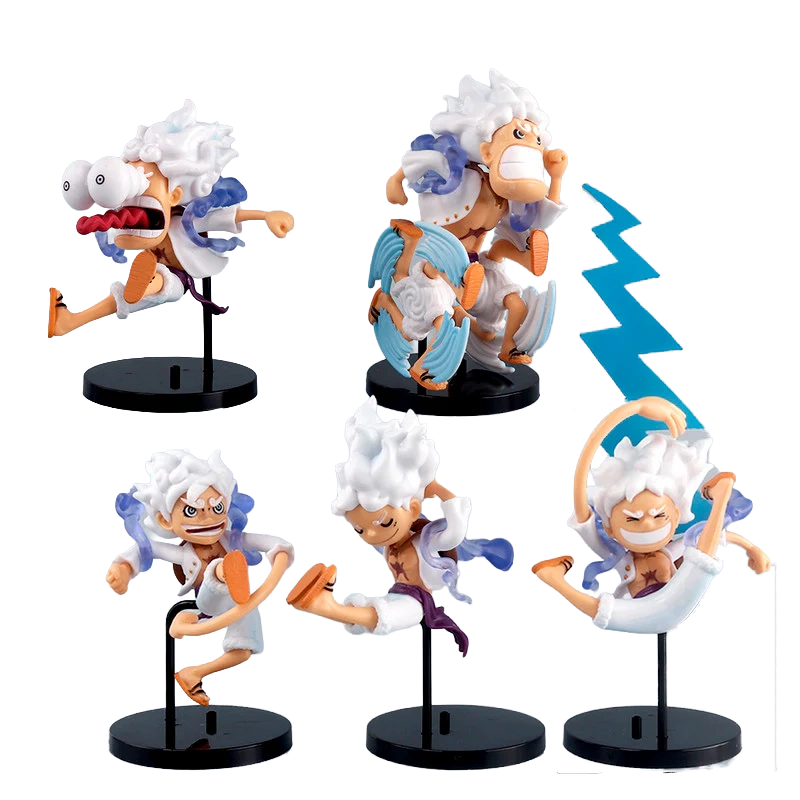
The finish on PVC figures can range from a flat matte look to a glossy shine depending on the paint coat applied on top. A well-made PVC figure has crisp colour separation, good surface detail, and a weight that feels solid without being heavy. Think of something like the One Piece Action Figure Luffy Gear 5 Multi-Pose PVC Set – the kind of piece where you can actually see the material doing its job: flexible enough to hold that chaotic Gear 5 energy without cracking under the pose.
One thing to watch: PVC can yellow over time if exposed to direct sunlight or heat. India’s summers don’t help. Keep your figures away from windows and out of direct sunlight and they’ll stay display-worthy for years.
ABS – The Quiet Backbone
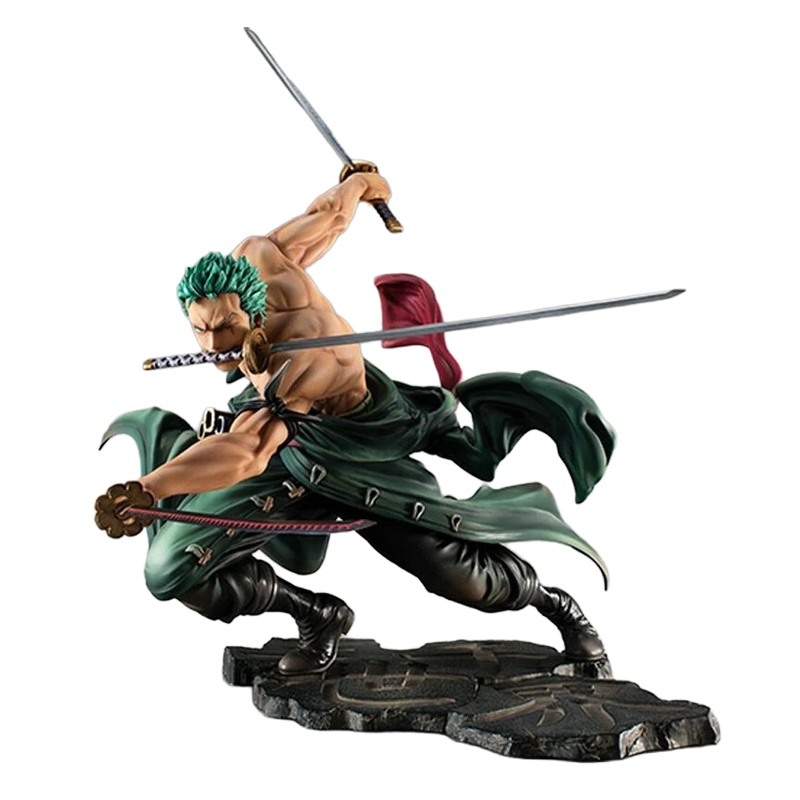
ABS (acrylonitrile butadiene styrene) is a harder, more rigid plastic often used alongside PVC in the same figure – typically for structural parts like bases, weapon accessories, and joint connectors. It doesn’t flex the way PVC does, which makes it perfect for anything that needs to hold a precise shape. If you’ve got an action figure zoro figure with swords that stay perfectly upright in a three-sword stance, odds are those swords are ABS while the body is PVC. The two materials genuinely complement each other.
ABS holds fine detail extremely well and has a slightly different sheen than PVC, which is why careful painters and sculptors use it for areas where accuracy matters most. It’s also more resistant to heat warping compared to PVC – relevant again when you’re living somewhere that gets 40°C in May.
Resin – The Collector’s Choice
Resin figures are a different league altogether. Resin is a dense, rigid material that allows for incredibly fine surface detail – sharper lines, crisper facial features, deeper texture on hair and clothing. It’s heavier than PVC, has almost no flex, and the paint application on resin tends to sit more richly on the surface.
The tradeoff is fragility. Resin does not bend – it snaps. Thin parts like fingers, hair accessories, or weapon tips are vulnerable. If a resin figure falls off a shelf, it can break. This is a material for display cases and serious shelf setups, not for handling regularly. You’ll often find resin used in larger, more detailed display pieces where the sculptor wanted maximum fidelity to the source material.
Resin figures also tend to sit at a higher price point than comparable PVC ones – you’re paying for the material cost, the weight, and the level of detail it makes possible. Worth it if display value is your priority. Not the most practical choice if you’re just starting a collection.
Vinyl – The Old-School One
Vinyl is softer and more rubbery than PVC – think of the feel of a stress ball versus a regular plastic toy. It was widely used in older anime collectibles and still shows up in chibi-style figures and softer, rounder designs. Chibi figures in particular benefit from vinyl because the soft material suits the rounded aesthetic and makes them virtually drop-proof.
Vinyl doesn’t hold fine detail the way PVC or resin does, so you won’t see it used for high-detail scale figures. But for cute desk companions that can take a knock without drama – it’s honestly pretty great. The Demon Slayer Action Figure Sanemi Shinazugawa Sitting Pose and similar sitting chibi-style pieces often incorporate softer vinyl-like finishes for exactly this reason.
Resin vs PVC – Which One Should You Go For?
Honestly, this comes down to how you use your collection. Here’s a practical way to think about it:
- PVC – Best for most collectors. Great detail, flexible, paint holds well, lighter, and far less fragile. The vast majority of premium figures in this range are PVC and they look genuinely excellent on a shelf.
- Resin – Best if you want maximum detail and you have a proper display case. Treat it like fine glassware. If you’re the kind of person who keeps things in a cabinet and never touches them, resin rewards you with detail that PVC genuinely can’t match at the same scale.
- Vinyl – Best for chibis, softer designs, or if you want figures that can handle a less controlled environment without stress. Relaxed. Functional. Cute.
- ABS – Not really a choice on its own. It shows up as part of figures alongside PVC. If accessories feel stiff and precise, that’s ABS doing its job.
As the r/AnimeFigures community has noted, most collectors end up preferring PVC for daily display and reserve resin pieces for their centrepiece spots – which is pretty solid advice.
Caring for Your Figures by Material
Quick care notes by material, because India’s climate is not kind to collectibles:
- PVC: Keep away from direct sunlight and heat. Wipe down with a dry or slightly damp microfibre cloth. If a part has warped slightly from heat, you can sometimes reshape it with warm (not boiling) water and hold it in position while it cools.
- ABS: Minimal care needed. Dust regularly. Avoid harsh chemical cleaners – they can strip the paint coat.
- Resin: Handle as little as possible. Display in a case if you can. Dust with a soft brush, not a cloth that could snag on sharp details. If it falls, it’s a bad day – there’s no fixing a clean break on a complex resin piece easily.
- Vinyl: Very low maintenance. Wipe clean, keep out of extreme heat (it can deform), and you’re good.
Common Questions
where to buy anime figures in india?
Finding well-curated anime figures in India without the headache of international shipping or sketchy listings is the real challenge. We at Suggoii Store handpick our figures from trusted sources across India and ship directly to you – no customs drama, no overseas wait times. You can browse the full range at suggoii.store. Searching for anime figures amazon can show you some options too, but availability for specific characters is hit-or-miss and curation is basically nonexistent – you’re on your own figuring out quality. A dedicated anime store is almost always a better experience.
What is PVC for anime figures and where to buy?
PVC is polyvinyl chloride – a flexible, paint-friendly plastic that’s the go-to material for most display-worthy collectibles in the market today. It’s durable, holds detail well, and is light enough to ship safely. Most of the figures at Suggoii Store’s action figures section are PVC-based, so you’re getting the reliability of the material without needing to overthink it. For deeper community discussion on PVC, this r/AnimeFigures thread is a solid read.
Resin vs PVC
The short answer: PVC for flexibility, practicality, and great display value across most figure types. Resin for maximum detail, heavier build, and display-case-worthy centrepieces – but handle with care. For most fans building a shelf collection, PVC is the smarter starting point. Resin becomes interesting once you know exactly which character deserves that centrepiece spot and you have the right setup to protect it.
If you want to explore what display-worthy figures at fair prices actually look like in practice, check out the full collection at Suggoii Store. We’ve got everything from One Piece and Naruto to Jujutsu Kaisen and Demon Slayer – all carefully selected so you know what you’re getting before it lands on your shelf. No surprises. Just good figures.
Head over to suggoii.store and find the one that belongs on your shelf.
TL;DR
PVC is the most practical and widely used material for anime figures – flexible, detailed, and great for everyday display. Resin gives you superior detail and a heavier premium feel but breaks if dropped, so it’s best suited for protected display cases. Vinyl is soft and nearly unbreakable, making it ideal for chibi-style figures. Know your material, care for it right, and your collection will look great for years.